
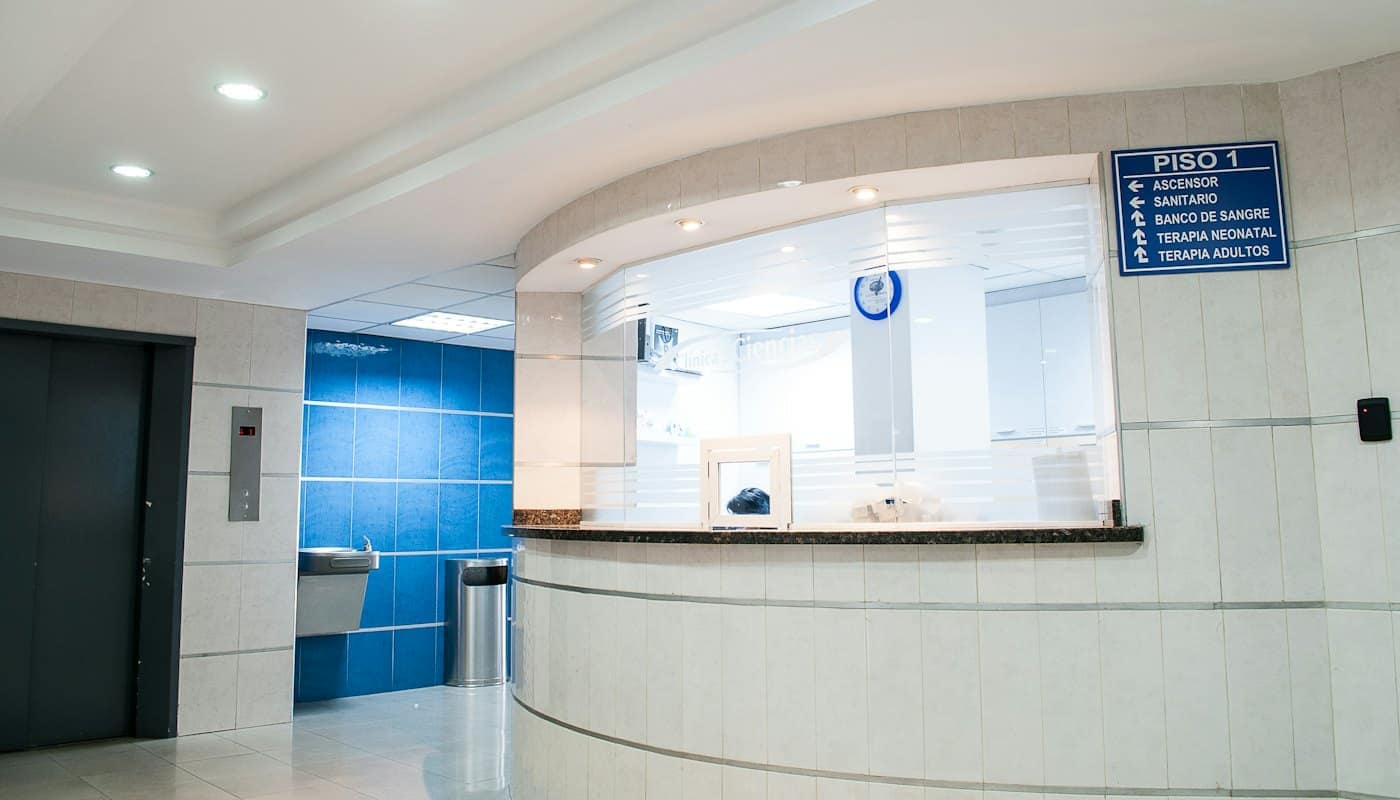
Photo by Martha Dominguez de Gouveia on Unsplash
Sponsored content. This article was supplied by a third party and includes a link to a commercial service.
Hotels, hospitals and senior living facilities stay compliant during a fire system outage by notifying the authority having jurisdiction, putting a trained fire watch in place, protecting occupants who cannot easily evacuate, and documenting every step until the system is restored and approved. Each type of facility has different risks, so the plan must fit the building and its people.
This guide explains what each facility type should consider, what to do first and how to keep records that stand up to review.
Why Do Fire System Outages Matter More in These Buildings?
Outages matter more in these buildings because the people inside are often unfamiliar with the layout, asleep, ill or unable to move quickly. A delay in detecting a fire has bigger consequences when evacuation takes time.
Hotel guests do not know the exits. Hospital patients may be connected to equipment or under sedation. Senior living residents may use walkers, wheelchairs or need staff help to leave a room.
Because of this, regulators and insurers tend to expect a prompt, organized response when a fire alarm or sprinkler system is out of service. The exact rules depend on your state, your local fire marshal and, for healthcare, additional accreditation and licensing requirements.
What Is a Fire System Impairment?
A fire system impairment is any situation in which a fire alarm, sprinkler system, standpipe or related protection is out of service or not working as designed. It can be planned, such as a scheduled upgrade, or unplanned, such as a failed panel or a broken pipe.
Many jurisdictions follow the International Fire Code, which includes requirements for impaired systems and allows measures such as a fire watch. Facilities that follow NFPA standards will find similar ideas there. Always confirm which edition and local amendments apply to you.
How Should Hotels Handle a Fire System Outage?
Hotels should notify the fire marshal, arrange continuous patrols of all floors and inform guests clearly without causing alarm. Guest safety and guest experience both depend on calm, visible action.
- Patrol corridors, stairwells, back-of-house areas, kitchens and mechanical rooms.
- Pay close attention to laundry rooms, storage areas and any space with heat sources.
- Keep exits clear and check that exit signs and emergency lighting work.
- Brief front desk staff so they can answer guest questions consistently.
- Place a short, honest notice at check-in if the authority requires it.
Hotels often run at full occupancy during events and holidays, so planning ahead for extended outages is wise. A last-minute search for coverage on a busy weekend is stressful.
How Should Hospitals Handle a Fire System Outage?
Hospitals should follow their infection control, life safety and emergency management plans, notify the proper authorities and add dedicated fire watch coverage that does not pull clinical staff away from patients. Patient care must continue without interruption.
Healthcare organizations commonly have a life safety or facilities department that manages interim measures. Work with that team and your accreditation requirements. Fire watch personnel should understand visitor rules, restricted areas and how to move safely around patient care spaces.
Coordinate with department leaders so that patrol routes include areas such as imaging, surgical suites, pharmacies, storage rooms and electrical closets, as permitted by your protocols.
How Should Senior Living Facilities Handle a Fire System Outage?
Senior living facilities should increase supervision, review evacuation plans for residents with mobility needs and keep families informed. Because residents may need assistance to leave quickly, early detection by human patrols becomes even more important.
- Review resident evacuation needs and confirm staff assignments for each shift.
- Walk hallways and common areas often, especially overnight.
- Check that exits, hallways and stairwells are free of carts, equipment and clutter.
- Be alert around kitchens, activity rooms, laundry and smoking areas, where the facility allows them.
- Update residents and families with simple, reassuring notices.
Staff already have full duties caring for residents. Using them as the dedicated fire watch can leave gaps in either role, so many facilities bring in outside help.
Who Can Perform the Fire Watch?
A fire watch is performed by trained people whose only job during the shift is to watch for fire hazards and respond to them. Requirements vary, so ask your fire marshal whether your own staff may serve or whether a qualified provider is preferred.
Many facilities choose professional fire watch services because dedicated guards can cover nights, weekends and holidays without disrupting daily operations. A provider also supplies written patrol logs, which helps with compliance.
When evaluating a provider, ask how guards are trained, how patrols are tracked and how quickly coverage can begin. Get the answers in writing before you need them. Providers serving different kinds of properties should also be able to explain how they handle sensitive environments such as patient care areas.
What Should You Do First When a System Goes Down?
Start by confirming the outage and contacting the people who need to know. Speed and order matter more than perfection.
- Confirm which system and which areas are affected.
- Call your fire protection contractor for an urgent repair visit.
- Notify the fire marshal or local fire department and ask what is required.
- Inform your insurer, owner or corporate office.
- Put a trained fire watch in place and start a written log.
- Brief staff, and notify guests, patients, residents or families as appropriate.
- Keep records of every call, time and decision.
What Records Will Inspectors and Insurers Want to See?
Inspectors and insurers typically want proof that you noticed the problem, reacted quickly and protected occupants until the system was restored. Good records tell that story clearly.
Keep the fire watch log with times, names and areas checked. Save emails, call notes and repair reports. Record when the authority was notified and when the system was approved for return to service. Store everything in one place so it can be found quickly.
How Can You Prepare Before an Outage Happens?
Prepare by writing an impairment plan, naming a responsible person and lining up a coverage provider ahead of time. Facilities that plan in advance respond faster and with less confusion.
Include contact numbers for the fire marshal, your fire protection contractor and your insurer. Decide who approves outages, who informs staff and who talks to occupants. Run a short drill so everyone knows their role.
For example, Fast Fire Watch Guards says on its website that it offers 24/7 live dispatch, GPS-tracked patrols and documented logs for fire alarm and sprinkler outages. Whatever company you consider, confirm service details, coverage area and response expectations in your contract.
Frequently Asked Questions
Do hospitals need a fire watch when the fire alarm is out of service?
Often yes, though requirements depend on your jurisdiction, accreditation rules and the length of the outage. Contact your fire marshal and follow your life safety plan. Most hospitals document interim measures carefully, so keep complete records of every step taken.
Can hotel staff act as the fire watch?
Sometimes, if the local authority allows it and the person is trained and has no competing duties. Many hotels prefer a dedicated outside team so front desk and housekeeping staff can keep serving guests. Always confirm with your fire marshal first.
What extra risks do senior living facilities face during an outage?
Residents may need help to evacuate, and many are asleep during overnight hours. That makes frequent patrols and clear exits especially important. Facilities should review evacuation plans, check staffing on every shift and keep families updated throughout the outage.
Who should be told when a fire system is impaired?
At minimum, notify the fire marshal or fire department, your insurer, the building owner or corporate office and your fire protection contractor. Inform staff and occupants as well. Check local rules and any accreditation requirements, since some must be told within set timeframes.
When can the fire watch end?
It generally continues until the system is repaired, tested and approved for use, and the authority having jurisdiction agrees. Do not end coverage just because repair work has finished. Ask for written confirmation and keep it with your records.
Final Thoughts
A fire system outage tests any hotel, hospital or senior living facility. Notify the right people, protect occupants with trained patrols, communicate honestly and document every step.
Build your impairment plan now, list your contacts and speak with a qualified provider before the next outage forces a rushed decision.