
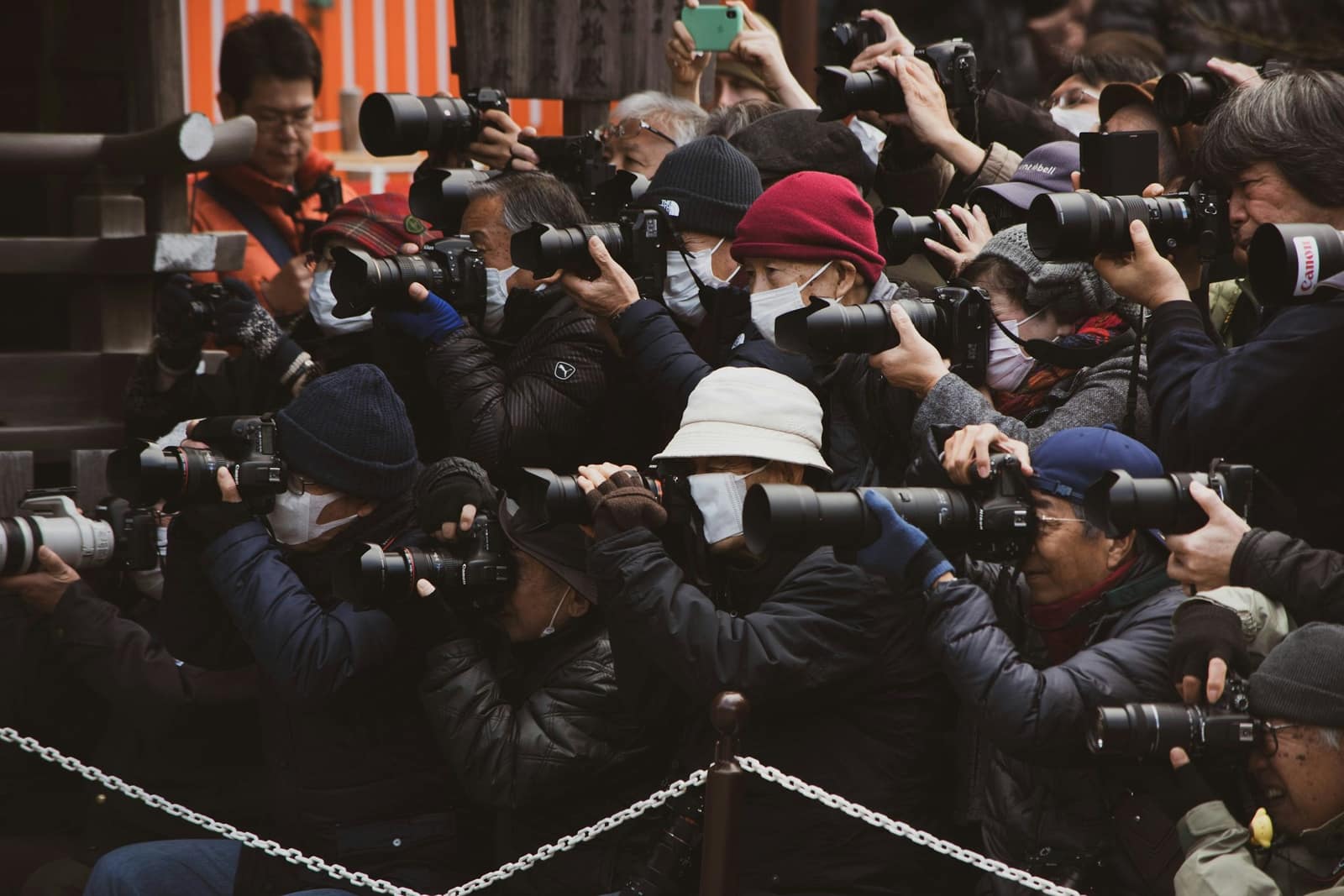
Celebrity coverage runs on a tension that is rarely stated. People who work in the public eye depend on attention, and have often invited some of it. Yet most of us would agree that there are limits: a home, a hospital visit, a family moment, a conversation not meant to be overheard. Where those limits sit is a question that the UK’s press has had to answer in writing, in the form of an industry code, and the answer is more detailed than the usual argument about it tends to suggest.
The code in outline
Most national and regional newspapers and magazines in the UK have agreed to follow the Editors’ Code of Practice, which is administered by the Independent Press Standards Organisation, known as IPSO, and which sets standards on accuracy, privacy, harassment and a range of other issues. It is a voluntary code in the sense that it is not an Act of Parliament, but publishers who sign up accept it as a condition of membership, and complaints about breaches are considered by IPSO. Not every publisher is covered by IPSO: others have chosen different arrangements, such as another regulator or an in-house complaints process. The code’s text, though, is a useful statement of what a large part of the press has agreed to.
Two of its clauses bear most directly on coverage of well-known people: Clause 2, on privacy, and Clause 3, on harassment.
Clause 2: privacy
Clause 2 begins from a broad principle. It says that everyone is entitled to respect for their private and family life, home, physical and mental health, and correspondence, including digital communications. That statement applies to everyone, not only to people without a public profile.
The clause then turns on the idea of a reasonable expectation of privacy. In judging whether someone had one, account is taken of the person’s own public disclosures of information and of the extent to which the material is already in the public domain, or will become so. Those considerations cut in both directions. Someone who has spoken at length about their health has made some of it public; someone who has said nothing has not.
The clause also deals with photography. It treats it as unacceptable to photograph people, without their consent, in public or private places where there is a reasonable expectation of privacy. The reference to public places matters, because it recognises that privacy is not simply a function of location: someone can have a reasonable expectation of privacy in a public setting, depending on the circumstances.
IPSO’s published decisions illustrate how this is applied. In a case involving a member of the Royal Family, the regulator found that people photographed within the grounds of their private home, in positions not easily visible to the photographer, not carrying out official duties and unaware they were being photographed, retained a reasonable expectation of privacy. The principle is that being well known does not remove the protection, though it may affect how much of a person’s life is already public.
Clause 3: harassment
Clause 3 addresses how journalists behave. It says that journalists must not engage in intimidation, harassment or persistent pursuit, and that they must not persist in questioning, telephoning, pursuing or photographing people once asked to desist. They must not remain on property when asked to leave, and they must not follow people.
This is the part of the code most relevant to the image of the photographer waiting outside a house. The clause does not prevent journalists from approaching someone, but it limits what they can do once the person has made clear they do not want it.
The public interest
Both clauses have a safeguard that applies in exceptional cases: the public interest. The code recognises that there are situations in which a breach of privacy may be justified because the story is of genuine importance. Examples generally given for this kind of exception include exposing crime or serious wrongdoing, protecting public health and safety, and preventing the public from being misled.
The test is demanding, and the code expects publishers to be able to demonstrate the public interest, and that the intrusion was proportionate. It is not satisfied by saying that a story is interesting, or that readers will want to read it. This distinction, between what the public finds interesting and what is in the public interest, is one of the most important in the whole subject, and the one most often blurred in discussion.
Why public figures are a special case
The code does not set a different rule for celebrities, but the way it works produces different results in practice, for several reasons.
- More is in the public domain. A person who has chosen to talk about their life, publish a memoir, or share personal details on social media has altered what is reasonable for them to expect. The code takes account of this.
- There is a stronger link to public roles. Some aspects of a person’s life are connected to their public function, and in that area scrutiny is more justified. A politician’s conduct in office is a different matter from an entertainer’s family life.
- Children are a particular concern. The code contains specific protections for children, and being a child of a public figure is not a reason to treat them as public. Coverage involving them is judged carefully.
- Context matters. Whether a person is at an official event, a public performance or a private moment makes a difference to what can reasonably be expected.
What it means as a reader
A few habits follow naturally from all this.
- Ask where the information came from. A story about a person’s health, relationships or family may touch on matters the code treats as private. If it is based on their own public statements, that is different from a story based on a leak or a photograph taken without their knowledge.
- Distinguish interest from public interest. A story can be of keen interest to readers without there being any justification for intruding on someone’s privacy.
- Notice the photographs. Where and how a picture was taken matters. A photograph at a public event is one thing; a long-lens image of someone in their garden is another.
- Remember that regulation is not the whole picture. The code applies to publishers who have agreed to it, and the law of privacy, defamation and data protection operates separately. Anyone concerned about a specific publication can complain to the publisher and to the relevant regulator.
The harder questions
None of this settles every case, and the code does not claim to. The line between a private matter and a public one is a judgement, and different editors, regulators and readers will draw it differently. The significance of social media has made it more complicated, because people now publish a great deal about themselves, and the question of what is public is less clear than it once was.
What the code does provide is a shared vocabulary: a reasonable expectation of privacy, the extent to which something is already public, consent, persistence and the public interest. Those terms turn a vague argument about “the right to know” into a set of questions that can be asked of any particular story, and they are worth having in mind the next time a headline about a famous person seems to say more than it should.
This article is general information about the UK Editors’ Code of Practice and is not legal advice. The code is revised from time to time; see IPSO for the current text and for how to make a complaint.
Sources: IPSO (Editors’ Code of Practice); IPSO (What is Clause 2 (Privacy) of the Editors’ Code and why does it matter?)


